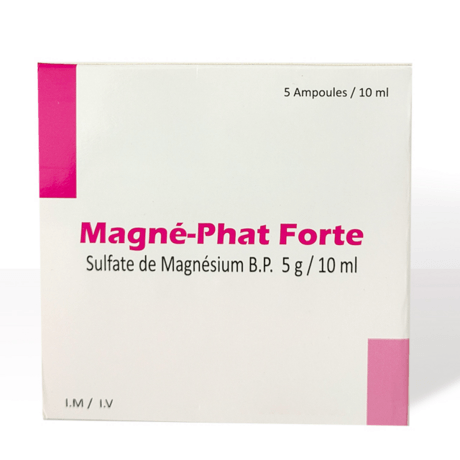
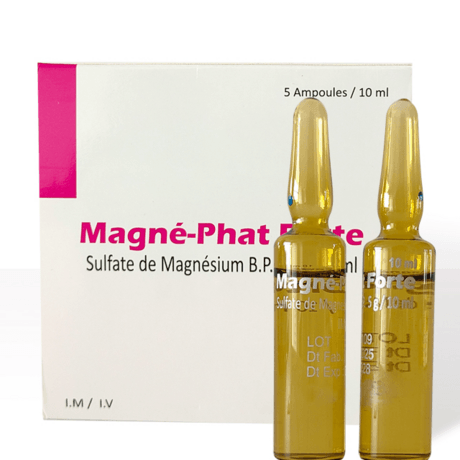
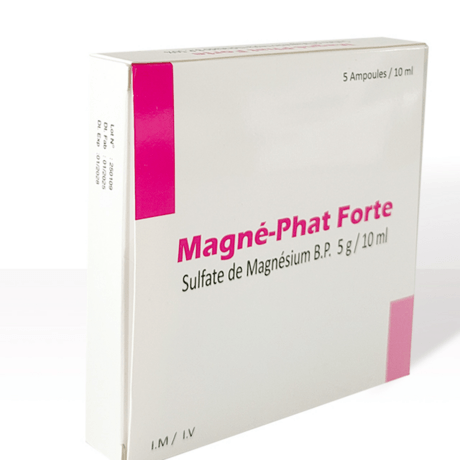
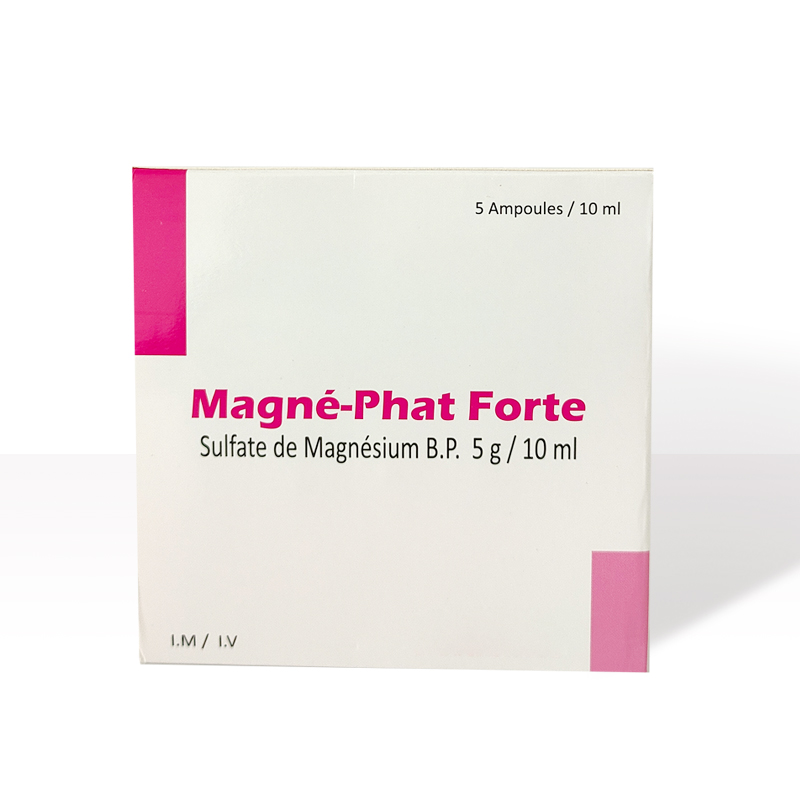
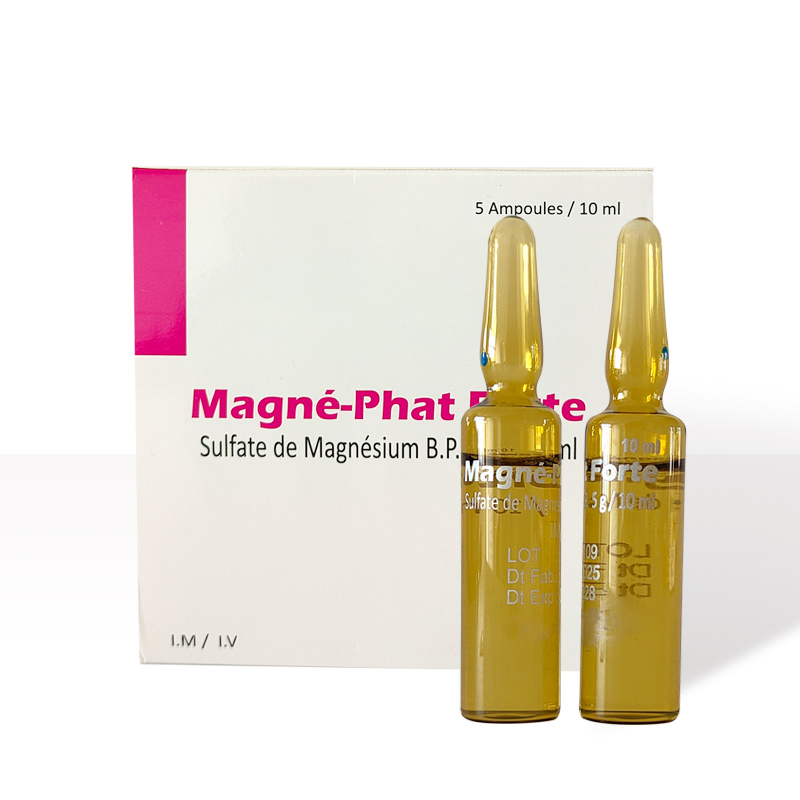
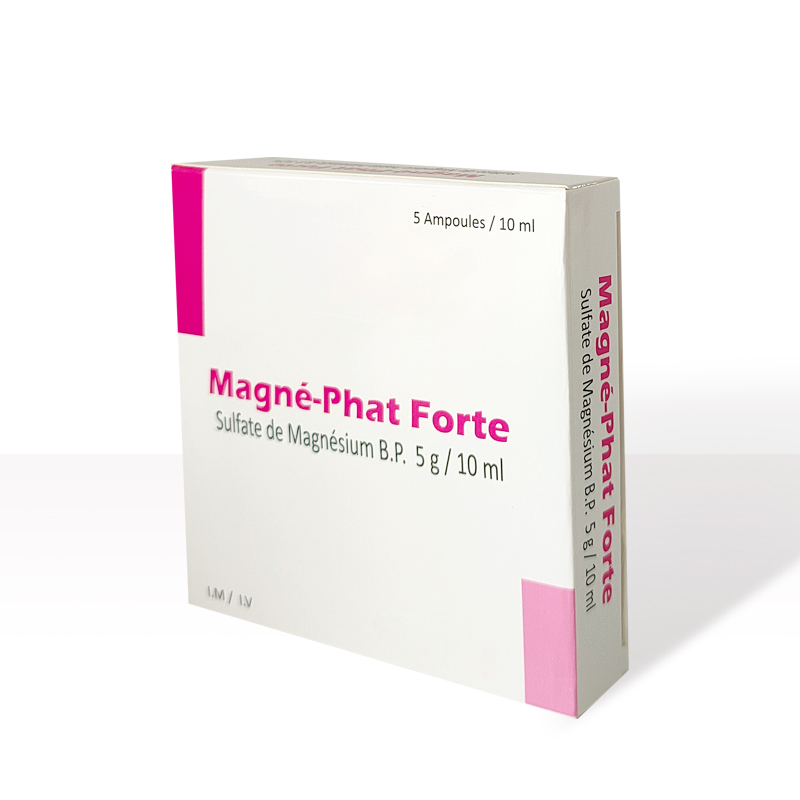
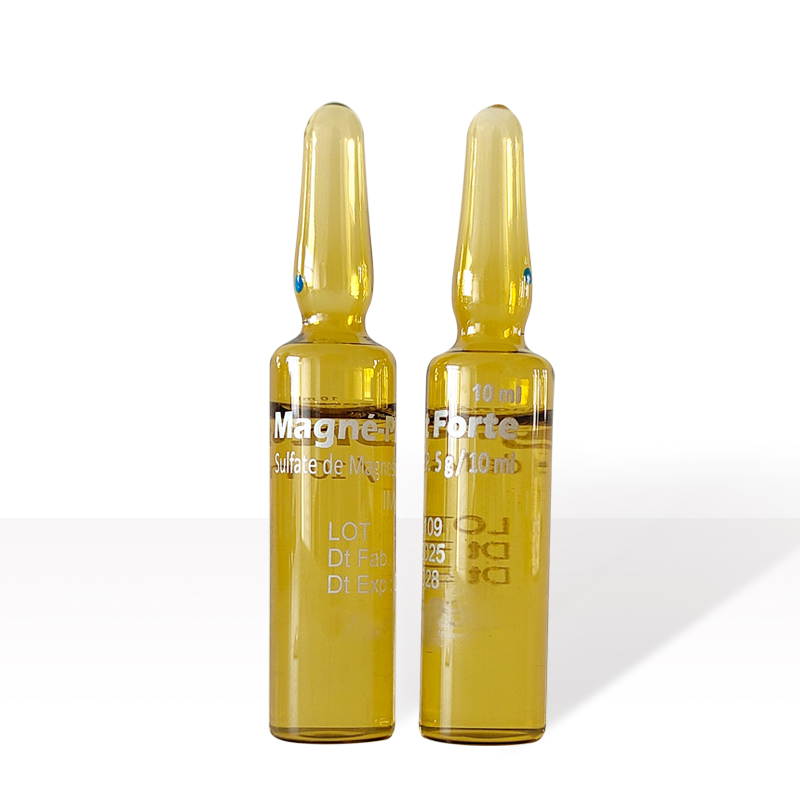
Magnesium sulfate injection exerts its therapeutic effects through several key mechanisms. It acts as a central nervous system depressant by competing with calcium ions at the neuromuscular junction, thereby reducing the release of acetylcholine and decreasing muscle contraction. This mechanism is particularly important in its use for treating eclampsia and seizures. Additionally, magnesium sulfate has been shown to have neuroprotective properties, including blocking NMDA receptors, increasing cerebral blood flow, and stabilizing ion channels. These actions make it a valuable agent in managing neurological conditions and preventing neuronal damage.
Magnesium sulfate injection is widely used in various medical fields due to its diverse therapeutic benefits. In obstetrics and gynecology, it is the drug of choice for managing eclampsia and pre-eclampsia, conditions that significantly contribute to maternal and neonatal morbidity and mortality. Its ability to prevent seizures in pregnant women makes it a crucial component in maternal health care.
In cardiology, magnesium sulfate is used to manage arrhythmias and other cardiac conditions. Its role in stabilizing cardiac rhythms and improving cardiac function is particularly beneficial in acute cardiac events. In neurology, magnesium sulfate is employed to treat seizures and migraines due to its neuroprotective properties. It is also being explored for its potential benefits in managing acute ischemic stroke.
Beyond these primary applications, magnesium sulfate injection is gaining traction in the treatment of severe asthma exacerbations, where it acts as a bronchodilator, improving respiratory function. This broad range of applications underscores its importance in modern medicine.
The future outlook for magnesium sulfate injection is highly promising. The global market is projected to reach USD 1.5 billion by 2033, growing at a compound annual growth rate (CAGR) of 4.8% from 2025 to 2033. This growth is driven by several factors, including the increasing prevalence of eclampsia and pre-eclampsia, particularly in developing countries. The expanding healthcare infrastructure and increasing awareness about magnesium deficiency are also contributing to the market's expansion.
Ongoing research and clinical trials are exploring new therapeutic applications of magnesium sulfate, such as in acute ischemic stroke management. The development of advanced drug delivery systems that enhance the efficacy and safety of magnesium sulfate injections is another significant driver of market growth. Additionally, the increasing focus on maternal health by governments and international organizations is expected to boost demand for magnesium sulfate injections.
The dosage of magnesium sulfate injection varies depending on the specific condition being treated and the patient's clinical status. For eclampsia and pre-eclampsia, a typical initial dose is 4–6 grams administered intravenously over 15–20 minutes, followed by a continuous infusion of 1–2 grams per hour. In cardiology, the dosage may be adjusted based on the patient's cardiac function and response to treatment.
For neurological conditions such as seizures, the initial dose is often 1–2 grams administered intravenously over 5–10 minutes, with additional doses administered as needed. In the management of severe asthma exacerbations, a single dose of 1–2 grams administered intravenously over 10–15 minutes has been shown to be effective.
It is crucial to monitor patients closely for signs of magnesium toxicity, such as respiratory depression, hypotension, and cardiac arrest, especially when administering high doses. Adjustments to the dosage and infusion rate should be made based on the patient's clinical response and laboratory monitoring of magnesium levels.
Magnesium sulfate injection should be stored in a cool, dry place, protected from light and moisture. The recommended storage temperature is between 15°C and 30°C (59°F and 86°F). It is important to ensure that the injection solution remains clear and free from particulate matter. Any unused portion of the solution should be discarded, and the vials should be stored in their original packaging to maintain stability and integrity.
Magnesium sulfate injection is a versatile and essential medication with a wide range of therapeutic applications. Its mechanism of action, involving central nervous system depression and neuroprotection, makes it a valuable tool in managing eclampsia, seizures, arrhythmias, and other conditions. The future prospects for magnesium sulfate injection are highly favorable, driven by increasing healthcare awareness, expanding applications, and ongoing research. Proper dosage, administration, and storage are critical to ensuring its safe and effective use in clinical settings.
 ×
×
 首页
首页
 我要采购
我要采购 我要供应
我要供应 我要推广
我要推广 我要投稿
我要投稿